Description
Product Overview
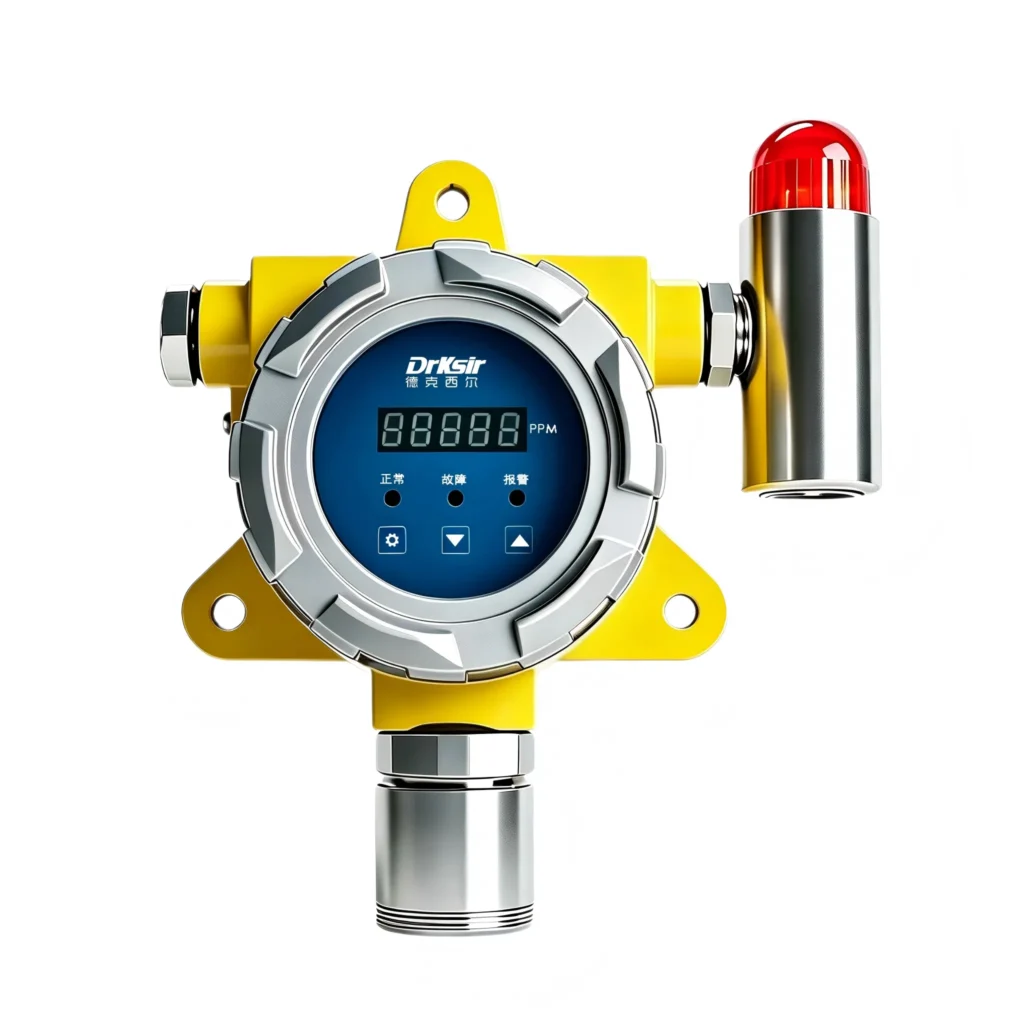
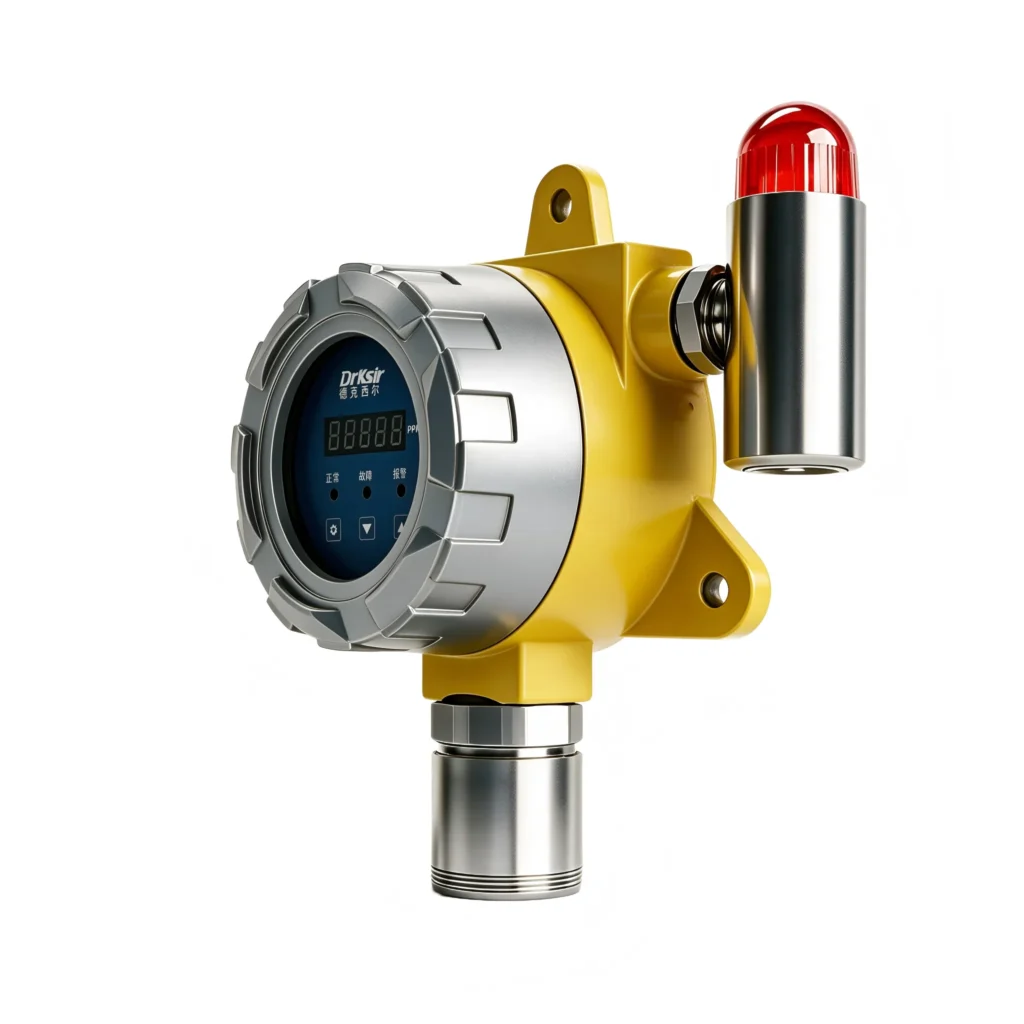
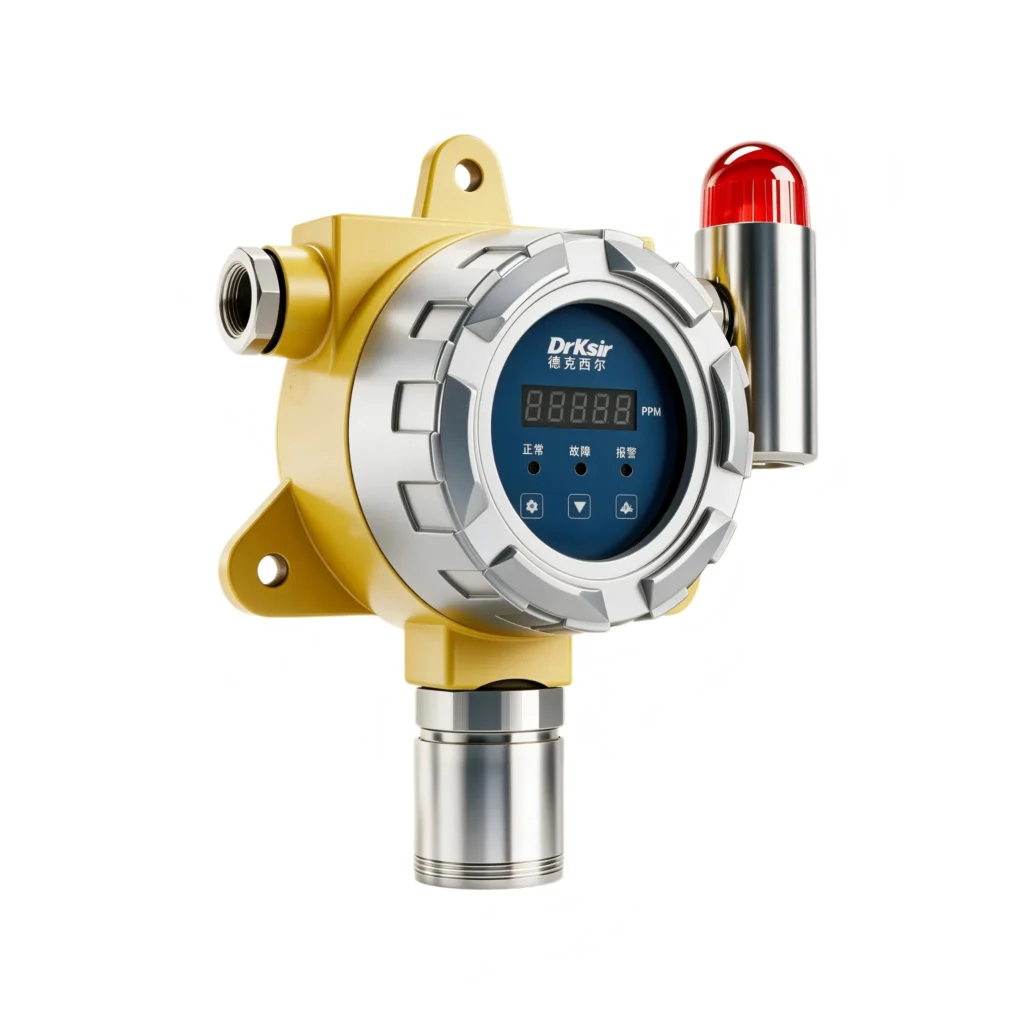
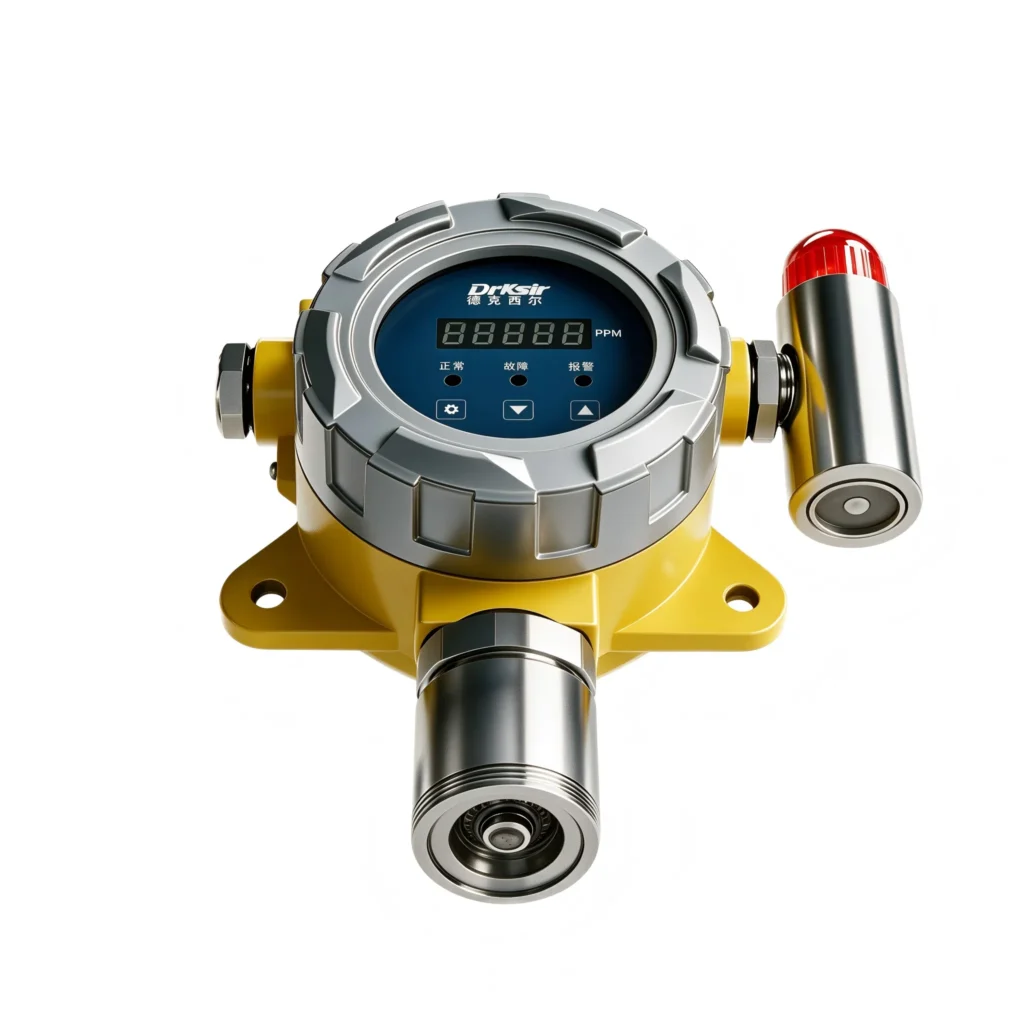
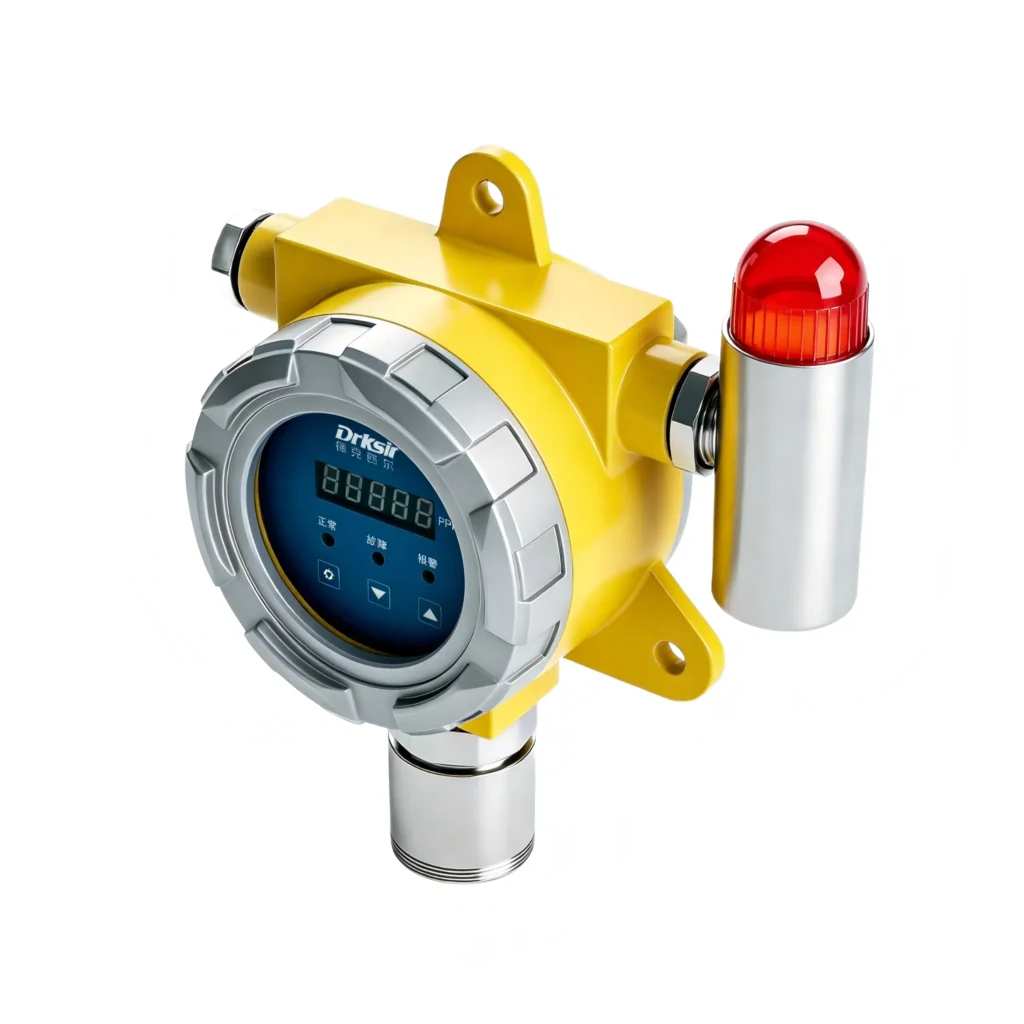
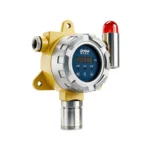
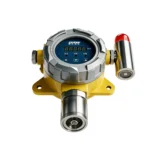
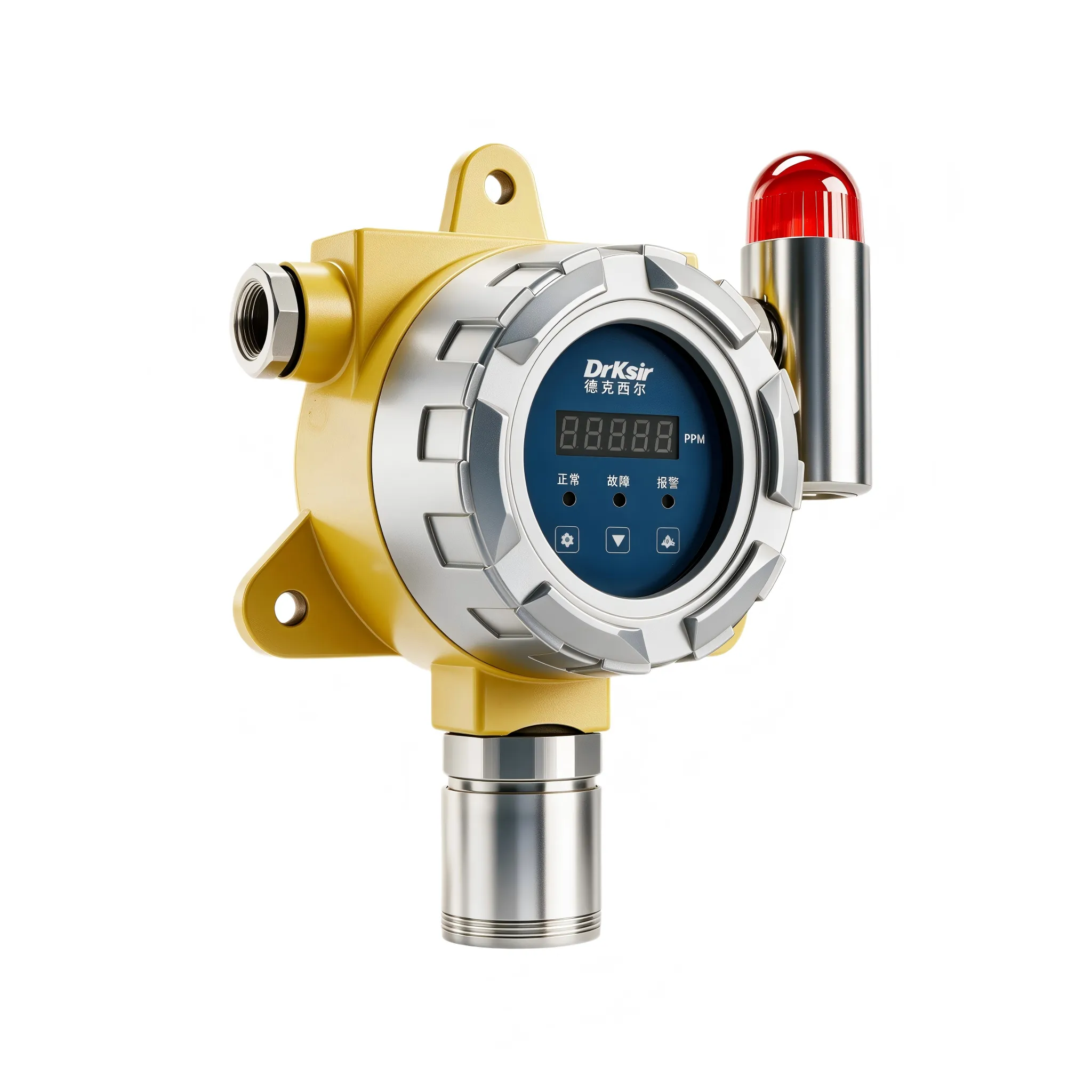
Independently developed by DrKSir, the HNAG1000-H2 fixed hydrogen gas detector adopts advanced nano manufacturing and quantum sensing technology to deliver continuous, high-precision hydrogen leakage monitoring. Fully compliant with GB/T 3836.1, GB/T 3836.2 explosion-proof standards and GB/T 4208 IP enclosure rating standards, it features outstanding anti-electromagnetic interference performance, ultra-fast response speed and excellent repeatability.
Widely deployed across hydrogen production plants, hydrogen refueling stations, energy storage power stations, lithium battery workshops, chemical laboratories and other industrial sites with hydrogen explosion hazards. Equipped with multiple industrial signal outputs, it transmits real-time hydrogen concentration data to PLC, DCS and cloud monitoring platforms, enabling automatic safety alarms and predictive risk management for flammable gas environments.
Core Advantages
1. High-Performance Nano Quantum Sensing Module
Self-developed sensing unit delivers superior repeatability, ≤6s response time, ≤8s recovery time and 1ppm ultra-fine resolution, precisely capturing tiny hydrogen leaks at early stages.
2. Full Flameproof Explosion-Proof Structure
Ex db Ⅱ C T6 Gb certified flameproof housing fully meets national explosion-proof standards, offering safe operation in Class II C hazardous hydrogen environments.
3. IP66 All-Weather Heavy-Duty Protection
Dustproof and waterproof enclosure ensures stable operation in harsh industrial conditions, covering -20℃ ~ 60℃ working temperature and up to 95%RH non-condensing humidity.
4. Multiple Universal Industrial Signal Outputs
Comes standard with RS485 Modbus RTU; optional 4~20mA analog signal, 0~10V voltage signal and passive relay alarm contact for seamless compatibility with all mainstream industrial control systems.
5. Three Flexible Installation Methods
Supports wall mounting, pipe clamp mounting and bracket mounting to adapt to diverse layout requirements of hydrogen stations, energy storage plants and manufacturing workshops.
6. Local Digital Display & Triple Status Indicator Lights
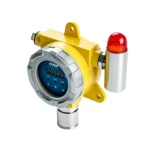
Built-in LED screen displays real-time hydrogen concentration; three colored LED lights indicate normal (green), fault (yellow) and alarm (red) status. One-touch self-test and alarm mute functions simplify on-site operation.
7. User-Friendly Calibration & Parameter Configuration
Three multi-function physical keys support one-stop setting of communication address, baud rate, parity bit, stop bit, automatic zero calibration and factory reset without extra controllers.
8. Long Service Life & Low Operation Costs
Low power consumption ≤1W; the hydrogen sensor lasts 2~3 years under normal conditions. Only annual routine calibration is required to maintain consistent detection accuracy.
Technical Specifications
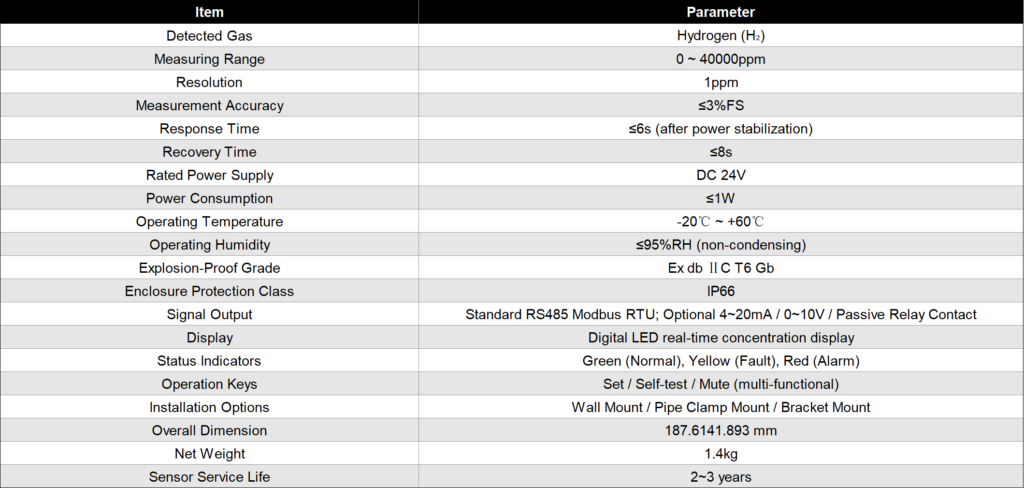
Technical parameters of hydrogen sensor
Structural Composition
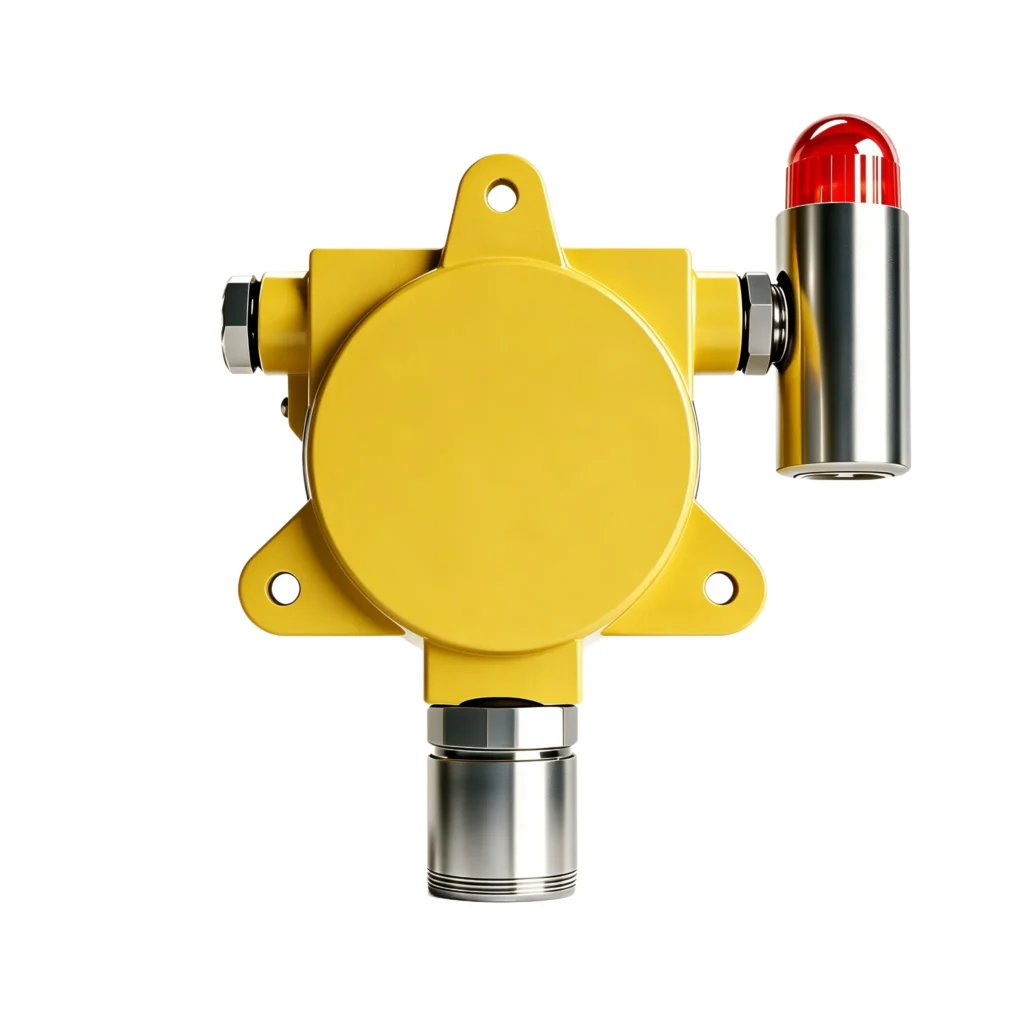
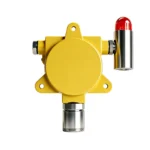
This gas detector consists of an explosion-proof aluminum housing, multi-layer PCB boards, hydrogen-sensitive sensing element, gas collection hood, permeable filter membrane and digital display panel. The full explosion isolation structural design prevents electric sparks generated by internal circuits from igniting flammable external hydrogen gas. The detachable sensing head design greatly simplifies later maintenance and sensor replacement work.
Overall Dimensions
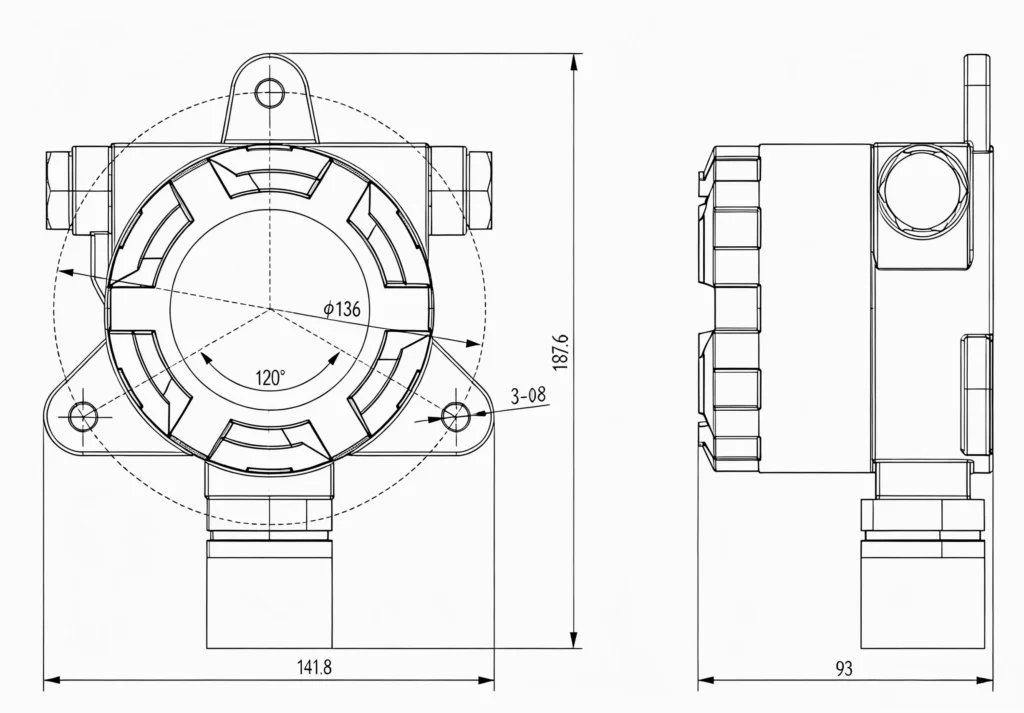
Hydrogen gas sensor dimension diagram
Installation Guide
1. Installation Position Principles
Hydrogen is lighter than air: Install the detector 0.3~0.6m below the ceiling with the sensing head facing downward.
Mixed hydrogen gas heavier than air: Install the detector 0.3~0.6m above the ground with the sensing head facing downward.
2. Three Installation Solutions
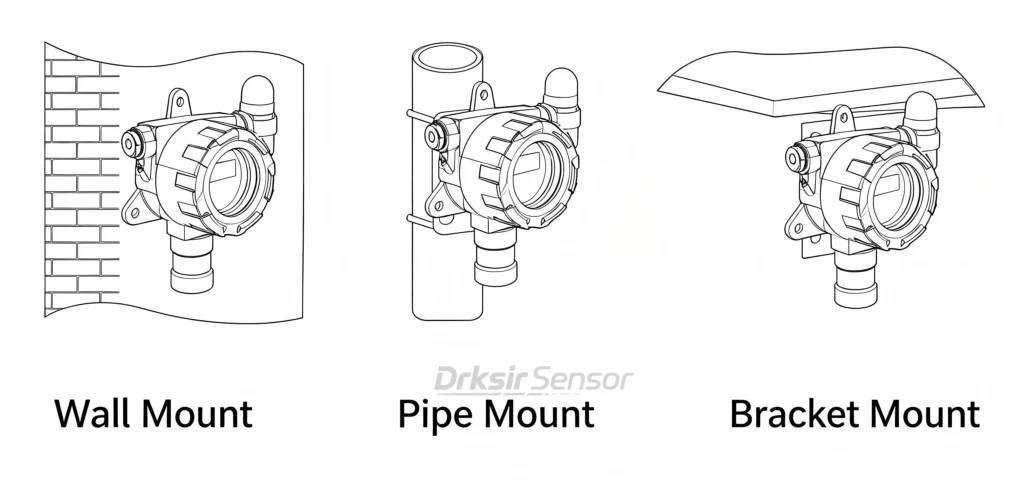
Installation method of hydrogen gas sensor
Wall mount: For flat concrete or metal wall surfaces
Pipe clamp mount: For installation on gas pipelines
Fixed bracket mount: For outdoor equipment areas and complex workshop layouts
3. Wiring Requirements
1. Adopt shielded twisted-pair cables with cross-section ≥1mm²×4;
2. Reliably ground the detector shell to meet explosion-proof safety requirements;
3. Separate signal cables from high-power power lines and frequency converter cables to avoid electromagnetic interference.
4. Terminal Wiring Definition
DC24V Power Supply: P1 (+) / P1 (-)
RS485 Communication: P4 A+ / P4 B-
4~20mA Analog Output: P6 I(+) / P6 G(-)
0~10V Voltage Output: P6 V(+) / P6 G(-)
Relay Alarm Output: P8 passive contact terminals
Signal Conversion Calculation Formulas
1. 4~20mA Current Output
Formula: C = [(X – 4) ÷ 16] × 40000
X = Real-time output current value (mA), C = Hydrogen concentration (ppm)
2. 0~10V Voltage Output
Formula: C = (X ÷ 10) × 40000
X = Real-time output voltage value (V), C = Hydrogen concentration (ppm)
3. RS485 Modbus RTU Output
Refer to the matching dedicated communication protocol document for data reading methods.
Application Scenarios
1.Hydrogen production plants & hydrogen refueling stations
2.Energy storage power stations & battery energy storage systems
3.Lithium-ion battery manufacturing workshops
4.Petrochemical and fine chemical factories
5.Laboratory hydrogen test stations
6.New energy vehicle assembly workshops
7.Aerospace hydrogen storage workshops

Hydrogen sensor application scenarios
Daily Maintenance & Troubleshooting
Routine Maintenance Suggestions
1. Complete professional calibration every 12 months to guarantee long-term detection accuracy;
2. Do not expose the sensor to high-concentration hydrogen impact, which may cause permanent component damage;
3. Avoid frequent power on/off cycles, which will lead to unstable sensor output data;
4. Check wiring tightness and shell sealing performance quarterly to maintain IP66 protection performance;
5. Replace the gas sensing element every 2~3 years according to actual operating environment conditions.
Common Fault Diagnosis & Solutions
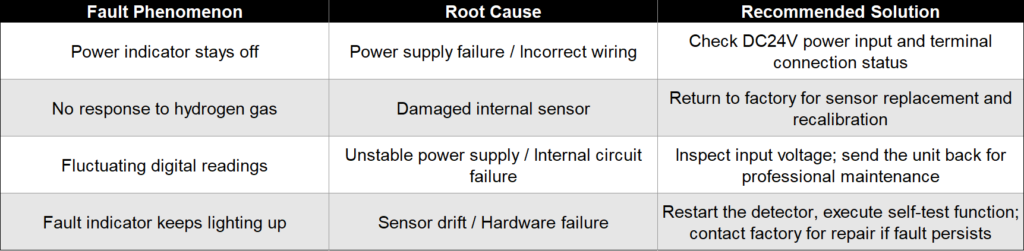
Hydrogen gas sensor fault diagnosis
Customization Support
We provide flexible customization services to meet diverse project demands:
1. Measuring range: Standard 0~40000ppm; custom 0~1000ppm range available on request
2. Signal output: Default RS485 Modbus RTU; add 4~20mA, 0~10V or relay alarm function as required
3. Optional accessories: On-site digital display module, sound-light alarm module
4. Custom supporting parts: Custom-length signal cables, dedicated mounting brackets, explosion-proof wiring fittings