
Drksir DK-INC Inclinometer Sensors for Long-Span River-Crossing Bridge Health Monitoring
This project implements full-life-cycle structural health monitoring for a heavily...
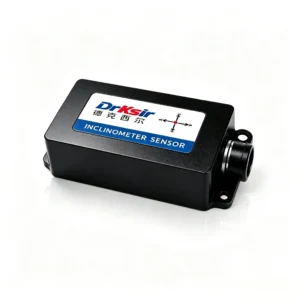
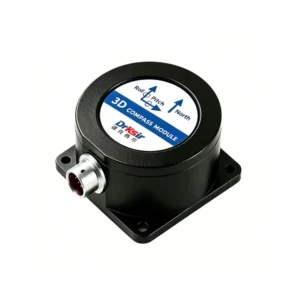
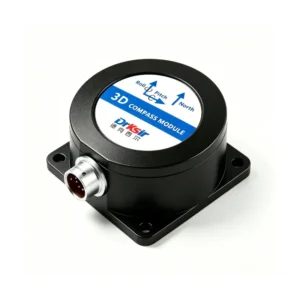
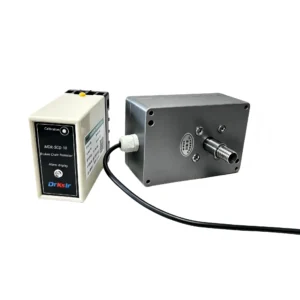




This article outlines key practical application guidelines for MEMS inclination sensors used in structural monitoring, mechanical control and new energy monitoring. Most on-site data drift, jitter and warning inaccuracies stem from improper operation rather than sensor defects.
It emphasizes standardized processes including scenario-based model selection matched for static or dynamic conditions, and professional installation with zero calibration. Standard shielded wiring reduces electromagnetic interference, while built-in temperature compensation controls data drift.
Reasonable filter parameter settings fit different monitoring scenarios, and regular maintenance ensures long-term data stability. Standardized full-process operation effectively guarantees high-precision, reliable monitoring for industrial and infrastructure safety systems.
This article summarizes critical application specifications for industrial MEMS inclination sensors widely applied in infrastructure health monitoring, mechanical attitude control and new energy monitoring. Most common on-site issues including data drift, signal jitter and inaccurate early warnings result from non-standard usage instead of sensor quality faults.
It specifies standardized operation procedures covering scenario-adaptive model selection, professional installation and accurate zero calibration. Standard shielded wiring effectively avoids electromagnetic interference, while intelligent temperature compensation restrains temperature drift.
Matching filter parameters for static or dynamic scenarios and conducting regular maintenance further stabilize monitoring performance. Full-process standardized operations fully exert sensor precision, delivering stable, reliable and high-accuracy data support for industrial equipment and infrastructure safety monitoring systems.